Understanding TMJ Pain: More Than Just a Click
Discover the clinical link between stress, posture, and jaw dysfunction — and what you can do about it.
What Is TMJ Dysfunction?
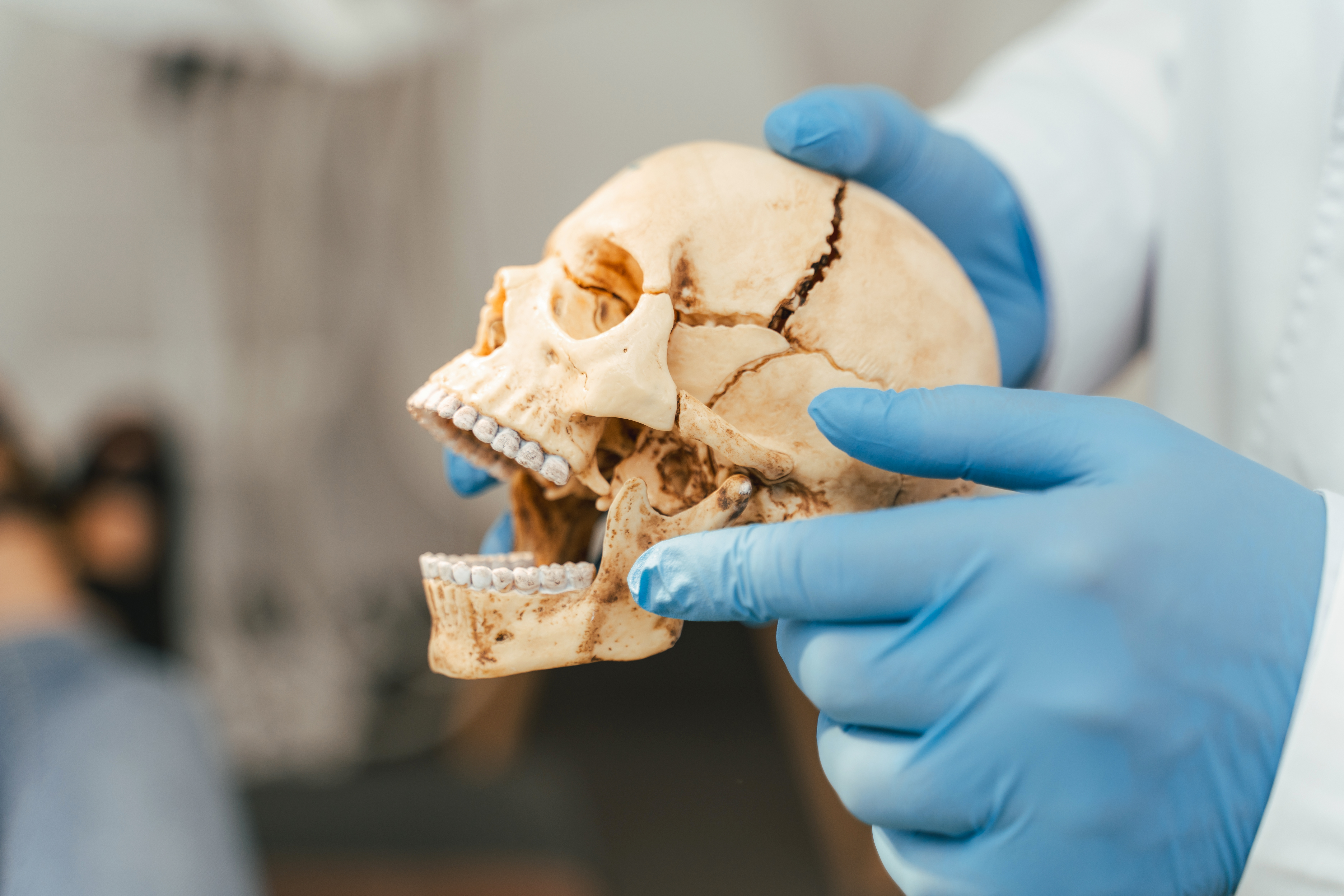
The temporomandibular joint (TMJ) connects your jawbone to your skull. When this joint and the muscles surrounding it become dysfunctional, the result can be pain, restricted movement, and a range of symptoms that extend well beyond the jaw.
TMJ dysfunction (TMD) affects a significant portion of the adult population, yet many people live with symptoms for years without seeking treatment. Understanding the condition is the first step toward effective management.
The Stress-Posture-Jaw Connection
One of the most important — and often overlooked — aspects of TMJ dysfunction is how closely it’s linked to both stress and posture.
Stress and jaw tension go hand in hand. When we experience stress, many of us unconsciously clench our jaw or grind our teeth, particularly during sleep. This sustained muscle contraction creates fatigue and trigger points in the muscles of mastication, leading to pain that can radiate across the face, temples, and even into the neck.
Postural habits play an equally important role. Forward head posture — common in desk workers — places additional strain on the muscles connecting the jaw, neck, and upper back. Over time, this altered biomechanics can contribute to or worsen TMJ symptoms.
Common Symptoms
TMJ dysfunction can present in many ways:
- Jaw pain or tenderness, especially when chewing
- Clicking, popping, or grinding sounds in the jaw
- Difficulty opening the mouth fully
- Jaw locking in an open or closed position
- Facial pain and tension headaches
- Ear pain or a feeling of fullness in the ears
- Neck and shoulder tension
How Myotherapy Can Help
Myotherapy takes a whole-body approach to TMJ dysfunction, addressing not just the jaw itself but the broader musculoskeletal patterns contributing to symptoms.
Treatment may include:
- Assessment of jaw mechanics, cervical posture, and muscle tension patterns
- Trigger point therapy targeting the masseter, temporalis, and pterygoid muscles
- Dry needling for deep muscle release in areas difficult to treat manually
- Gentle joint mobilisation to restore balanced jaw movement
- Postural correction addressing the cervical spine and upper back
- Home care guidance including stress management techniques, jaw relaxation exercises, and ergonomic advice
Taking the First Step
If you’re experiencing jaw pain, clicking, or any of the symptoms described above, myotherapy offers a non-invasive, evidence-based path to relief. At Flow State Therapies, Mariko brings a thorough, hands-on approach to the assessment and treatment of TMJ-related conditions.
Book a session to discuss your symptoms and develop a personalised treatment plan.