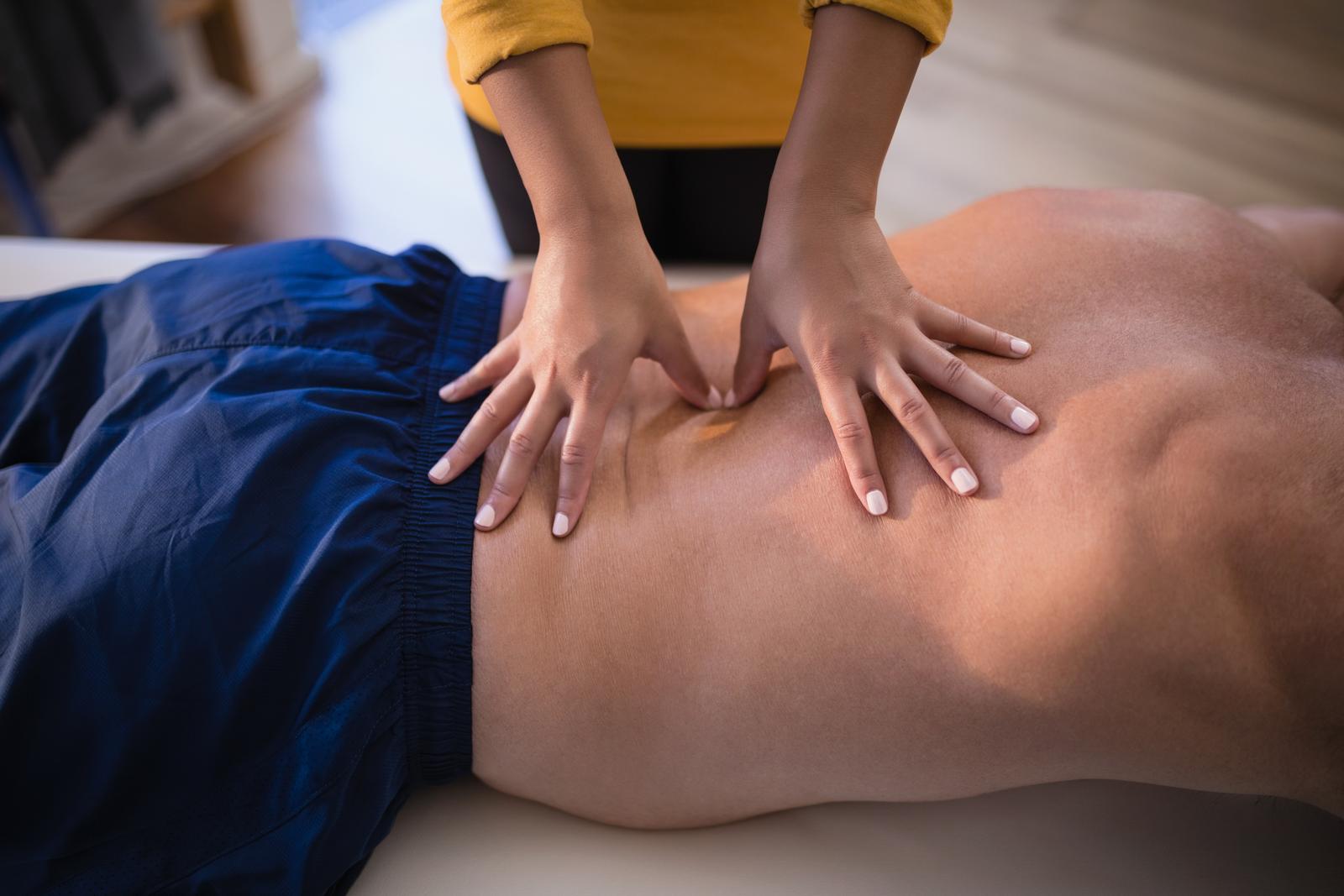
Lower Back Pain Treatment
Lower back pain affects nearly everyone at some stage, but when it becomes chronic or recurring, it can limit every part of your day. Myotherapy provides targeted, evidence-based treatment to address the muscular drivers behind your pain — not just the symptoms.
Book Your TreatmentWhy Does Lower Back Pain Persist?
Lower back pain is one of the leading causes of disability and one of the most common reasons Australians visit a healthcare professional. While acute episodes often resolve within weeks, many people develop chronic or recurring patterns that can persist for months or years without appropriate intervention.
Your lower back supports the weight of your upper body while enabling movement in multiple directions. The muscles, fascia, and connective tissue in this region work constantly — and when they become overloaded, tight, or weakened, pain and stiffness follow. Chronic tension in the hips, buttocks, and deeper back muscles frequently contributes to ongoing lower back discomfort.
Common Causes of Lower Back Pain
Lower back pain rarely has a single cause. It typically develops from a combination of factors that accumulate over time.
-
Prolonged sitting and sedentary work — hours at a desk shorten the hip flexors and weaken the glutes, placing excessive load on the lumbar spine.
-
Poor lifting mechanics — bending from the back rather than the hips during everyday tasks or gym work can strain the lumbar muscles and discs.
-
Weak core stability — when the deep stabilising muscles of the trunk are underactive, the superficial back muscles overwork to compensate.
-
Stress and tension holding — emotional stress often manifests as chronic muscular bracing in the lower back and hips.
-
Previous injury or disc issues — past episodes of acute pain can leave residual tension patterns and movement guarding that perpetuate discomfort.
-
Sciatic nerve irritation — tension in the deep hip muscles can compress the sciatic nerve, causing pain that radiates into the leg.
How We Treat Lower Back Pain
Our approach to lower back pain begins with an assessment of your posture, movement, and symptom history. Your therapist will assess muscular tension, trigger points, compensation patterns, and movement restrictions. These areas are considered in planning your tailored treatment.
Treatment may include targeted manual therapy techniques selected based on your individual assessment. Work through the hips and buttock muscles can be particularly helpful when sciatic-type symptoms are present. Myofascial release through the lower back can help restore mobility and reduce the sensation of stiffness.
Dry needling may also be used as it can help release deeper areas of tension that are difficult to reach with manual pressure alone. Gentle joint mobilisation and muscle energy techniques may be incorporated to improve spinal mobility.
What to Expect in Your Session
Your first session includes an assessment of your posture, spinal movement, and muscle function. Your therapist will ask about your pain history, daily activities, and any previous treatments to build a complete picture of your condition.
Treatment is hands-on and targeted. While some techniques involve firm pressure, your therapist communicates throughout and adjusts to your comfort level. Your therapist will discuss expected outcomes and a recommended treatment plan during your session.
Appointments are available Monday and Wednesday at our Melbourne CBD clinic. Health fund rebates apply for remedial massage and myotherapy under most major funds with extras cover.
Every session is individually tailored. Your therapist will assess your specific needs and develop a treatment plan suited to you.
You May Also Be Interested In
Spinal tension often extends from lower back into the upper body.
Sports RecoveryTraining-related back strain and performance recovery.
Headache & Migraine TreatmentSpinal tension can refer pain upwards into the head.
Pregnancy SupportPrenatal care for pregnancy-related lower back discomfort.
MyotherapyLearn more about our evidence-based myotherapy approach.
Remedial MassageTherapeutic massage for broader tension and recovery.
Dry NeedlingTargeted release for deep muscular tension in the lower back.
Cupping TherapyMyofascial cupping to ease lower back tightness and improve mobility.
Ready to feel the difference?
Whether it's ongoing pain, post-exercise recovery, or just needing to reset — we're here to help. Appointments available Monday and Wednesday in the CBD.
Book Your Session