OUR SERVICES
Myotherapy in Melbourne CBD
Evidence-based assessment and treatment for musculoskeletal pain at our Collins Street clinic
Book Your TreatmentWHAT IS MYOTHERAPY
Assessment-led treatment for muscular pain and tension
Myotherapy is a form of hands-on treatment focused on the assessment, treatment, and management of musculoskeletal pain and dysfunction. Unlike relaxation or remedial massage, myotherapy begins with a thorough assessment to identify the underlying cause of your symptoms - not just the area that hurts. This means treatment is targeted, structured, and designed to support lasting change rather than temporary relief.
At our Melbourne CBD clinic on Collins Street, your myotherapist Mariko works with you to understand your pain history, movement patterns, and daily demands. Treatment plans are built around your goals, whether that is returning to sport, sitting through a workday without discomfort, or simply sleeping through the night. Every session is adapted to where your body is on the day, and you will always leave with a clear understanding of your treatment plan and what to expect moving forward.
TREATMENT TECHNIQUES
What myotherapy involves
Myotherapy draws on a range of evidence-based techniques, selected and combined based on your individual assessment. Your therapist may use any of the following within a single session, depending on your presentation.
Dry Needling
Fine, single-use acupuncture needles are used to release myofascial trigger points - the tight, irritable knots within muscles that refer pain to other areas. Dry needling can help reduce muscle tightness, improve range of motion, and support the body's natural healing response.
Joint Mobilisation
Gentle, controlled movements applied to stiff or restricted joints to help restore normal range of motion. Joint mobilisation often used alongside soft tissue work for a more comprehensive approach.
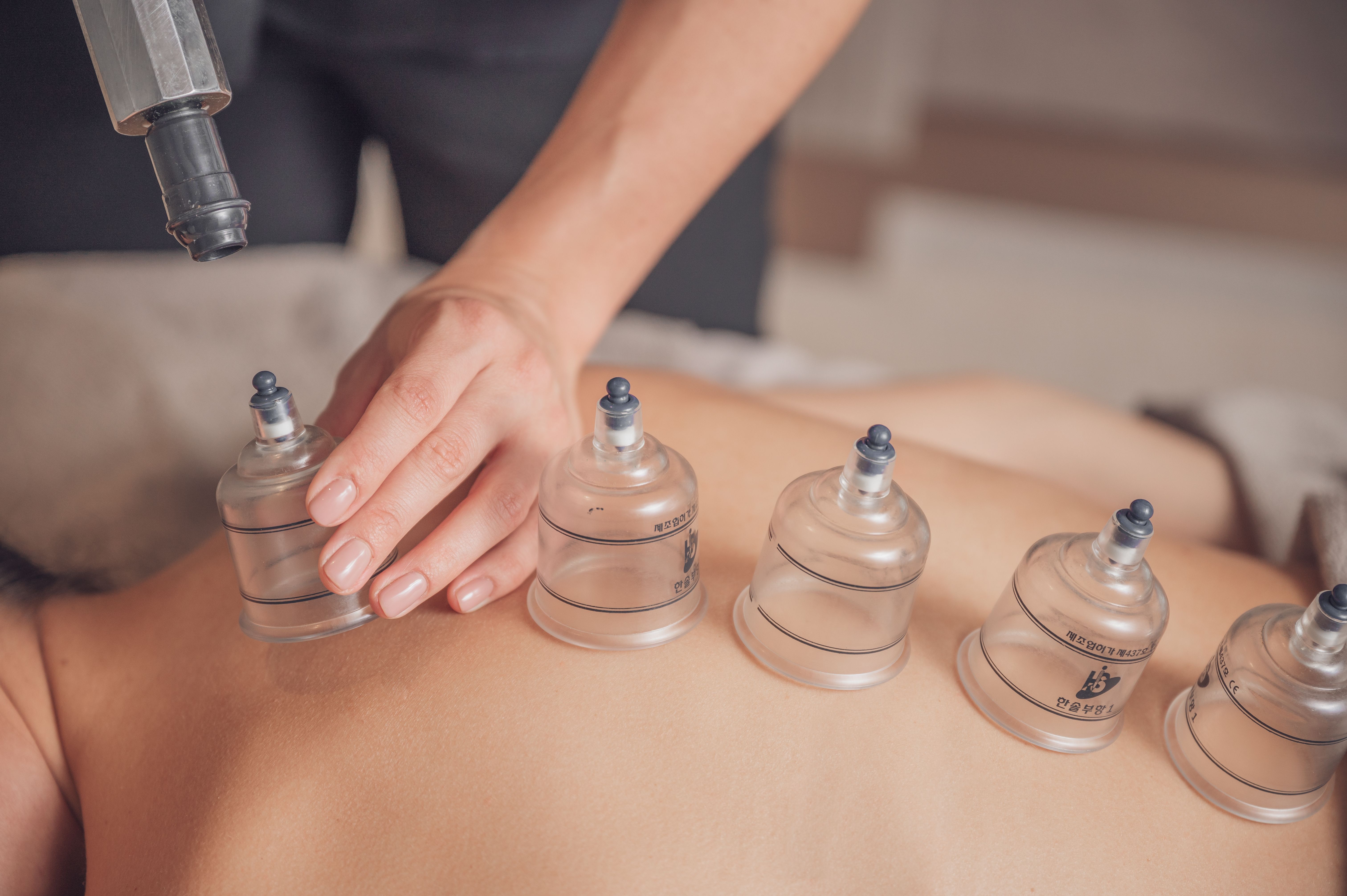
Myofascial Cupping
Myofascial cups create gentle suction to lift and separate fascial layers, which may help improve blood flow and reduce tissue restriction. Cupping can be used as a standalone technique or combined with active movement.
Corrective Exercise
Targeted exercises prescribed to reinforce the gains made during hands-on treatment. These might include stretching, strengthening, or motor control exercises tailored to your specific needs and the demands of your daily life or sport.
YOUR APPOINTMENT
What to expect in your session
Assessment
Your first visit begins with a detailed conversation about your pain history, lifestyle, and goals. Your therapist will assess your posture, movement, and the specific structures involved to build a clear picture before any hands-on work begins.
Hands-On Treatment
Using the findings from your assessment, your therapist applies a combination of techniques suited to your needs. This may include deep tissue massage, dry needling, joint mobilisation, or cupping. Treatment pressure and technique selection are always discussed and adjusted in real time.
Reassessment & Plan
After treatment, your therapist will reassess your movement and pain levels to evaluate progress. You will be advised on any prescribed exercises, and a recommended treatment schedule moving forward.
Every session is individually tailored. Your therapist will assess your specific needs and develop a treatment plan suited to you.
Flow State Therapies is located at Suite 10, 12 Collins Street, Melbourne CBD. Appointments are available Monday and Wednesday. Health fund rebates apply for myotherapy under most major funds with extras cover.
CONDITIONS WE TREAT
Myotherapy may help with
Myotherapy can help with a wide range of musculoskeletal conditions. If you are unsure whether your symptoms are suited to myotherapy, we can advise during your initial assessment.
Lower Back Pain
Persistent stiffness, disc-related pain, and reduced mobility.
Neck & Shoulder Pain
Postural strain, desk-related tension, and upper back tightness.
Headaches & Migraines
Tension headaches and migraine support through targeted release.
TMJ & Jaw Pain
Jaw clenching, teeth grinding, and facial tension.
Sports Recovery
Injury rehabilitation, performance maintenance, and recovery support.
Pregnancy Support
Safe, specialised care through all stages of pregnancy.
SESSION PRICING
Session pricing and rebates
For initial appointments, 45–60 minutes is recommended to allow time for a thorough understanding of your condition. Please book 30-minute sessions for follow-up appointments only.
FREQUENTLY ASKED
Common questions about myotherapy
What is the difference between myotherapy and remedial massage?
Myotherapy incorporates remedial massage techniques such as deep tissue massage, trigger point therapy, and myofascial release, while also drawing on a broader range of treatment approaches, including dry needling, cupping, and targeted rehabilitation.
Does myotherapy hurt?
We will always work within your comfort level and adjust the treatment based on your feedback. Treatment doesn't need to be painful to be effective, but some techniques can be uncomfortable at times. Treatments such as trigger point therapy and dry needling can create a temporary sensation of pressure, tenderness, or a "good pain", particularly in areas that are tight or irritated.
Do I need a referral to see a myotherapist?
No referral is needed. You can book directly online.
Can I claim myotherapy on private health insurance?
Most private health funds cover myotherapy under extras. We have HICAPS in the room, so you can claim on the day and only pay the gap.
What should I wear to a myotherapy session?
There's no need to wear anything special - just come as you are. Physical assessments are completed while you're fully clothed, and linen is used throughout treatment to maintain your comfort, privacy, and modesty.
How long is a myotherapy session?
Sessions run for 30, 45, or 60 minutes. Sixty minutes suits most first visits, because it leaves room for a thorough assessment alongside the treatment.
How many sessions will I need?
The number of treatments you'll need varies from person to person. It depends on factors such as your condition, how long you've been experiencing symptoms, your overall health, and your goals. We'll discuss this with you after your initial assessment. Once we understand what's contributing to your symptoms, we can provide a personalised treatment plan and a realistic expectation of the number of sessions that may be beneficial.
What should I do after a treatment?
Stay hydrated. We encourage you to keep gently moving your body, but go easy on anything heavy for the rest of the day. We will mention anything specific to you at the end of your session.
Book a treatment
Whether it's ongoing pain, post-exercise recovery, or just needing to reset - we're here to help. Appointments available Monday and Wednesday in the CBD.